It’s a nightmare scenario playing out across Nigeria. Families are being pushed out of their homes not by disaster, but by the simple, brutal math of exorbitant rent. In April 2026, the situation reached a boiling point as reports surfaced of "cut-throat" rent hikes worsening an already severe housing crisis in multiple towns and cities. The twist? It’s not just supply and demand driving prices up—it’s a bizarre mix of economic pressure, government fee increases, and even internet fraudsters willing to pay any price for shelter.
Here’s the thing: this isn’t happening in a vacuum. While landlords raise rents, citizens are simultaneously facing sharper costs for basic services under President Bola Ahmed Tinubu, President of the Federal Republic of Nigeria. At the same time, global energy giants like ExxonMobil are doubling down on deep-water investments. The contrast is stark: billions flowing into oil projects while ordinary Nigerians struggle to find affordable roofs over their heads.
The Rent Trap: Why Prices Are Skyrocketing
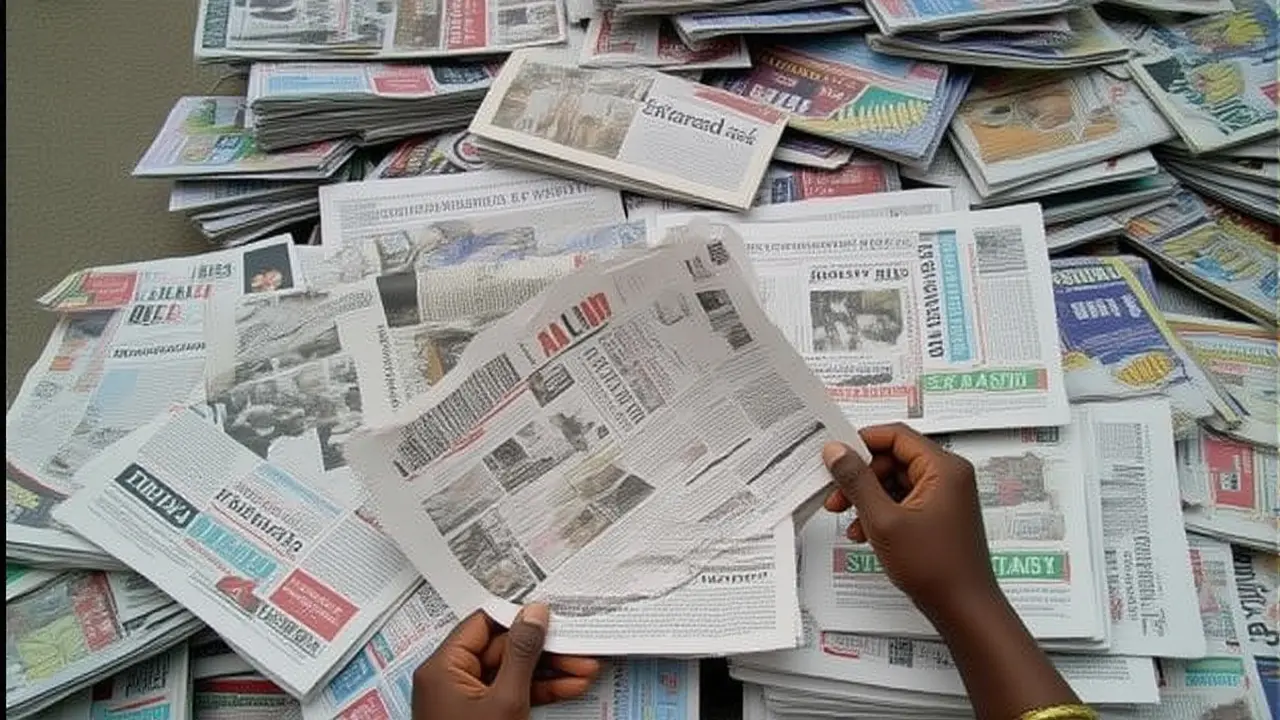
The core issue is simple but devastating. Rents are rising faster than incomes. According to reviews from major Nigerian publications like Vanguard, the term "exorbitant rent" has become a daily reality for tenants. But why now? And why so sharply?
In Anambra State, located in southeastern Nigeria, residents have pointed to a specific, unsettling driver: the influx of so-called "Yahoo Boys." This slang term refers to individuals involved in internet fraud. Oddly enough, these fraudsters are often willing to pay any amount demanded for rent, regardless of market rates. Landlords, sensing easy money, adjust their pricing strategies accordingly. This pushes legitimate tenants—teachers, civil servants, small business owners—out of the market entirely.
"They’re ready to pay any amount," one resident noted in a report aggregated by AllAfrica. The result? A distorted rental market where affordability is sacrificed for quick cash. It’s a classic case of bad money driving out good, except here, it’s criminal capital displacing honest livelihoods.
Government Fees Add Fuel to the Fire
But wait, there’s more. Just as housing becomes unaffordable, the cost of living elsewhere is spiking too. Under the administration of President Bola Ahmed Tinubu, government service charges have risen sharply. If you need a passport, a driver’s license, or vehicle number plates, expect to pay significantly more.
The Guardian reported that these increased fees affect everything from cargo duties to inbound shipments. While exact percentages weren’t disclosed in early reports, the impact is felt immediately. For a family already stretching every naira to cover rent, a sudden hike in administrative fees can be the breaking point. It’s a double squeeze: your home gets expensive, and then the bureaucracy does too.
This creates a ripple effect. When transport costs rise due to higher number plate fees, food prices go up. When shipping duties increase, imported goods become pricier. The housing crisis doesn’t exist in isolation; it’s part of a broader economic tightening that’s squeezing the middle class dry.
Oil Giants Invest While Citizens Struggle
Meanwhile, in a different corner of the economy, things look rosy. ExxonMobil, the American oil giant, has reignited plans for multi-million-dollar deep-water projects in Nigeria. According to The Nation, the company intends to take its final investment decision (FID) on the $8 billion Owowo field project by 2027.
Furthermore, the production sharing contract for the Erha deepwater project has been extended until 2042. These are massive numbers. $8 billion is a figure that dwarfs the annual budget of many local governments. Yet, for the average Nigerian tenant, this wealth feels distant, almost abstract.
The irony is palpable. As foreign corporations secure long-term contracts and inject billions into the nation’s oil sector, local residents face eviction threats due to rent hikes. The disconnect between macroeconomic success and micro-level suffering is widening. Experts argue that without targeted housing policies, oil revenues will continue to flow out rather than into community infrastructure.
What’s Next for Nigeria’s Housing Market?
The details are still unclear regarding official government responses. There are no mentioned rent control laws or emergency housing funds in the current reports. However, the trend is undeniable. Without intervention, we can expect:
- Increased Urban Displacement: More families moving to informal settlements or peri-urban areas with poor infrastructure.
- Market Distortion: Continued dominance of high-paying, non-transparent tenants (like fraudsters) skewing rental values.
- Potential Policy Shifts: Pressure on the federal and state governments to address both housing affordability and the root causes of internet fraud.
Residents in Anambra and other affected states are calling for transparency. They want to know who is setting these rents and why traditional negotiation power has vanished. Until then, the housing crisis remains a silent emergency, growing worse with every lease renewal.
Frequently Asked Questions
Why are rent prices rising so sharply in Anambra State?
Residents attribute the surge partly to an influx of internet fraudsters, known locally as "Yahoo Boys," who are willing to pay above-market rates for housing. This distorts the rental market, forcing landlords to raise prices for all tenants, thereby pushing out legitimate residents who cannot compete financially.
How do government service charge hikes affect housing affordability?
Rising costs for passports, licenses, and vehicle registrations reduce disposable income for households. When families spend more on mandatory government fees, they have less buffer to absorb rent increases, making them more vulnerable to displacement during lease renewals.
What is ExxonMobil investing in within Nigeria?
ExxonMobil is reviving deep-water oil projects, including an $8 billion investment in the Owowo field, with a final decision expected by 2027. Additionally, their contract for the Erha deepwater project has been extended to 2042, signaling long-term commitment to Nigeria’s offshore gas and oil sectors.
Is there any government action to control rent hikes?
As of April 2026, reports indicate no specific federal or state legislation aimed at capping rents or addressing the housing crisis directly. Critics argue that policy lag is exacerbating the problem, leaving tenants unprotected against arbitrary price increases driven by speculative demand.
Which cities are most affected by this housing crisis?
While the crisis is national, Anambra State in southeastern Nigeria has been specifically highlighted for severe rent inflation. Other urban centers across the country are also experiencing similar pressures, though specific city-level data remains limited in current reports.