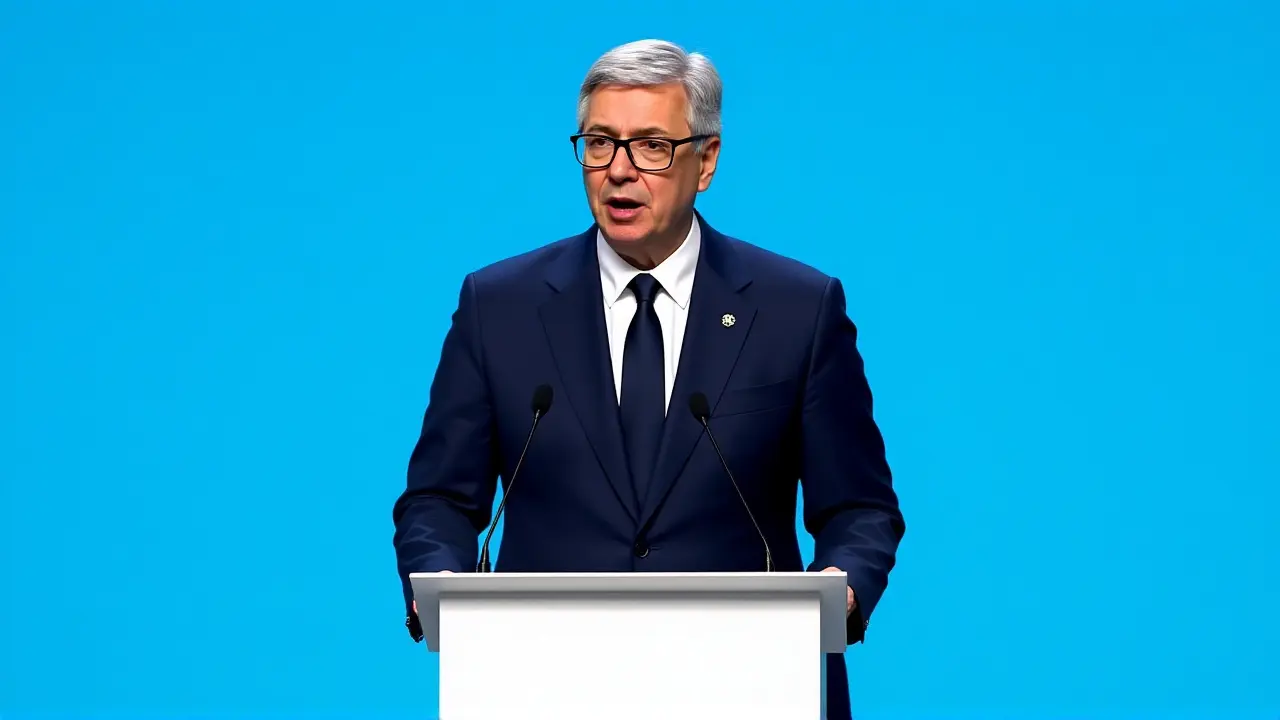
When Aleksandar Vučić, President of Serbia, stepped up to the microphone in Baku last week, he didn't just offer polite diplomatic pleasantries. He offered a standing ovation for the transformation happening right before his eyes. Speaking at the inaugural Leaders' Summit of the World Union of Forums (WUF), held for the first time in the history of the organization in Azerbaijan’s capital, Vučić made it clear: he sees "great progress" every single time he visits.
The twist? This isn’t a one-off observation from a passing tourist. Vučić noted that he visits Azerbaijan and Baku at least once a year. That frequency gives him a unique vantage point—a rolling timeline of change that most foreign leaders only get to see in snapshots.
A Yearly Ritual of Observation
Here’s the thing about high-level diplomacy: it’s often filled with vague promises and abstract concepts. But Vučić’s comments were grounded in personal experience. He told the audience that each trip reveals new developments, infrastructure upgrades, and social shifts. It’s not just about what’s on paper; it’s about what you can actually see when you walk the streets.
"Every time I come to Baku or Azerbaijan, I visit at least once a year, I see many changes and great progress," Vučić said. The repetition in his speech emphasized consistency. This isn't a fluctuating trend; it's a sustained trajectory. For a journalist covering regional dynamics, that kind of consistent external validation is rare and noteworthy.
But wait—there’s more to it than just urban development. Vučić explicitly linked this momentum to leadership. He looked directly toward Ilham Aliyev, President of Azerbaijan, and credited him alongside the Azerbaijani people as the engine behind these shifts.
Credit Where Credit Is Due
In a gesture that blends political respect with personal acknowledgment, Vučić stated: "The reason for this is you, Mr. President, and the entire Azerbaijani people." It’s a direct line of causality. In an era where global economic pressures are mounting, attributing national success to specific leadership and collective effort carries weight.
He went further, adding, "All your work is carried out for the well-being of your people." Now, without specific policy details or budget figures dropped into the conversation, this might sound like standard diplomatic fluff. But context matters. Given the recent geopolitical turbulence in the Caucasus region, emphasizing internal stability and public welfare is a significant statement. It suggests that despite external challenges, the domestic focus remains sharp.
Vučić also highlighted a broader capability: adaptability. He emphasized that these visible changes demonstrate how easily Azerbaijan adapts to "all global transformations." Whether that means digital infrastructure, energy sector shifts, or cultural modernization, the message was clear—Baku isn't just keeping up; it's pivoting effectively.
The Stage: A First for WUF
To understand the weight of these remarks, you have to look at the stage. The event wasn't just any conference. It was the Leaders' Summit of the World Union of Forums Leaders' SummitBaku. While the exact date varies by reporting source, the significance lies in the location. Baku hosted this summit for the first time in the history of WUF.
This marks a shift in soft power dynamics. By hosting such a prominent international dialogue platform, Azerbaijan is positioning itself as a hub for global discourse, not just a participant. Vučić’s gratitude for the "hospitality" and the "memorable event" underscores the scale of the undertaking. Organizing a summit of this caliber requires logistical precision and diplomatic finesse—both of which were evidently delivered.
Why This Matters Beyond the Handshakes
So, why should we care about a Serbian president praising an Azerbaijani city? Because relationships like this form the backbone of non-aligned diplomacy. Serbia and Azerbaijan both navigate complex relationships with larger powers in Europe and Asia. Strengthening bilateral ties through mutual recognition of progress creates a buffer against external pressure.
Moreover, Vučić’s annual visits suggest a deepening institutional connection. It’s not just about trade deals signed in boardrooms; it’s about the human element of governance. When leaders personally witness each other’s successes, trust builds. And in today’s fragmented world, trust is a currency more valuable than gold.
The details of specific projects or future agreements weren’t laid out in this particular address. The focus was on the narrative of progress. But narratives shape policy. If the perception of Azerbaijan is one of steady, people-focused advancement, that influences investment, tourism, and political alliances alike.
Frequently Asked Questions
How often does President Vučić visit Azerbaijan?
According to his own statements during the summit, Aleksandar Vučić visits Azerbaijan and its capital, Baku, at least once a year. This regular schedule allows him to observe ongoing developments and maintain strong diplomatic ties with Azerbaijani leadership.
What is the World Union of Forums (WUF)?
The World Union of Forums is an international organization that brings together various forums focused on peace, security, and sustainable development. The Leaders' Summit held in Baku marked the first time in the organization's history that this specific high-level gathering was hosted in Azerbaijan.
Who did Vučić credit for Azerbaijan's progress?
Vučić explicitly credited President Ilham Aliyev and the entire Azerbaijani people for the "many changes and great progress" he observes. He emphasized that their work is dedicated to the well-being of the population and demonstrates effective adaptation to global transformations.
Did Vučić mention specific policies or projects?
No, the reported remarks did not include specific policy names, budget figures, or detailed project descriptions. Instead, Vučić focused on the general observable trends of progress, adaptability, and the positive impact on the well-being of the people.
What is the significance of the summit being held in Baku?
Hosting the WUF Leaders' Summit for the first time signifies Azerbaijan's growing role in international diplomatic platforms. It highlights the country's capacity to organize major global events and positions Baku as a center for cross-cultural dialogue and cooperation.