HIV/AIDS Funding Cuts: What’s Really at Stake for Africa
When HIV/AIDS funding cuts, reductions in financial support for programs that prevent, test for, and treat HIV and AIDS. Also known as AIDS relief funding reductions, these cuts directly impact millions of people who depend on medication, counseling, and prevention campaigns to stay alive. This isn’t a distant policy debate—it’s happening right now in clinics across South Africa, Kenya, Nigeria, and beyond. Every dollar cut means fewer tests, fewer pills, and more deaths.
The biggest sources of this funding—PEPFAR, the U.S. President’s Emergency Plan for AIDS Relief, which has spent over $100 billion since 2003 to fight HIV in Africa and the Global Fund, an international financing body that supports HIV, tuberculosis, and malaria programs in low-income countries—have been under pressure from shifting political priorities. When the U.S. or European donors reduce their contributions, African governments are left scrambling. Many don’t have the tax base to replace the lost money. And when clinics run out of antiretrovirals, people stop taking their medicine. That’s when drug resistance starts. That’s when transmission spikes. That’s when lives are lost.
It’s not just about pills. Funding cuts ripple through the whole system. Community health workers lose their pay. Mobile testing vans stop rolling. Mother-to-child transmission programs shut down. Orphan support groups disappear. Young women in rural areas lose access to PrEP. Men avoid testing because clinics are closed. The people hit hardest? Those who can’t afford private care—the poor, the rural, the marginalized. And the worst part? We know what works. Testing, treatment, education, and prevention save lives. But when funding drops, the tools disappear.
Recent data from UNAIDS shows that sub-Saharan Africa still carries 64% of the world’s HIV cases. Yet funding for HIV programs in the region has stalled or declined in five of the last seven years. Countries like Zambia and Malawi are already rationing medicine. In some places, patients are being switched to older, less effective drugs because the newer ones are too expensive. This isn’t a future risk—it’s happening today.
Below, you’ll find real stories and reports from across Africa showing exactly how these cuts are playing out in clinics, schools, and homes. From government budget fights to community-led survival efforts, these articles lay bare the human cost behind the numbers. This isn’t about politics. It’s about whether people live or die because of a line item on a balance sheet.
Trump Administration Skips World AIDS Day for First Time Amid PEPFAR Funding Cuts
By Sfiso Masuku On 2 Dec, 2025 Comments (11)
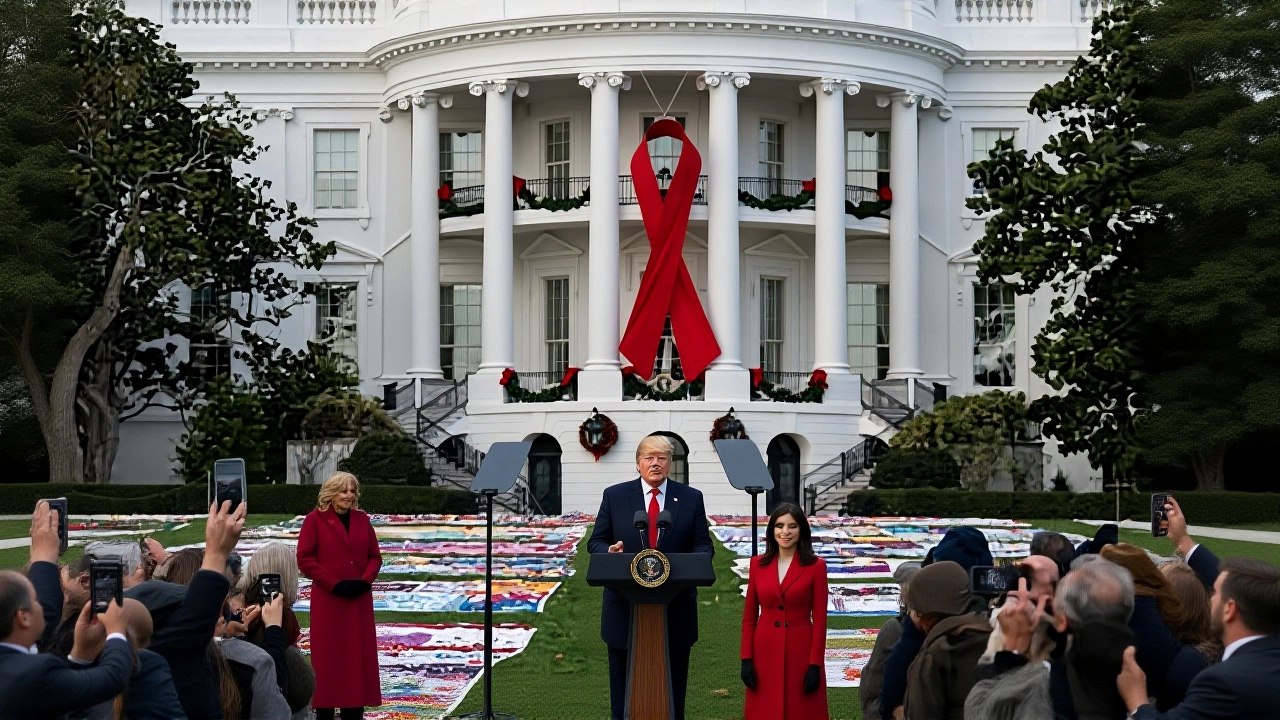
For the first time since 1988, the Trump administration skipped World AIDS Day, cutting funding to PEPFAR and signaling a shift away from U.S. global health leadership, threatening treatment for nearly 19 million people in Africa and undermining the UN’s 2030 goal to end AIDS.
View More