
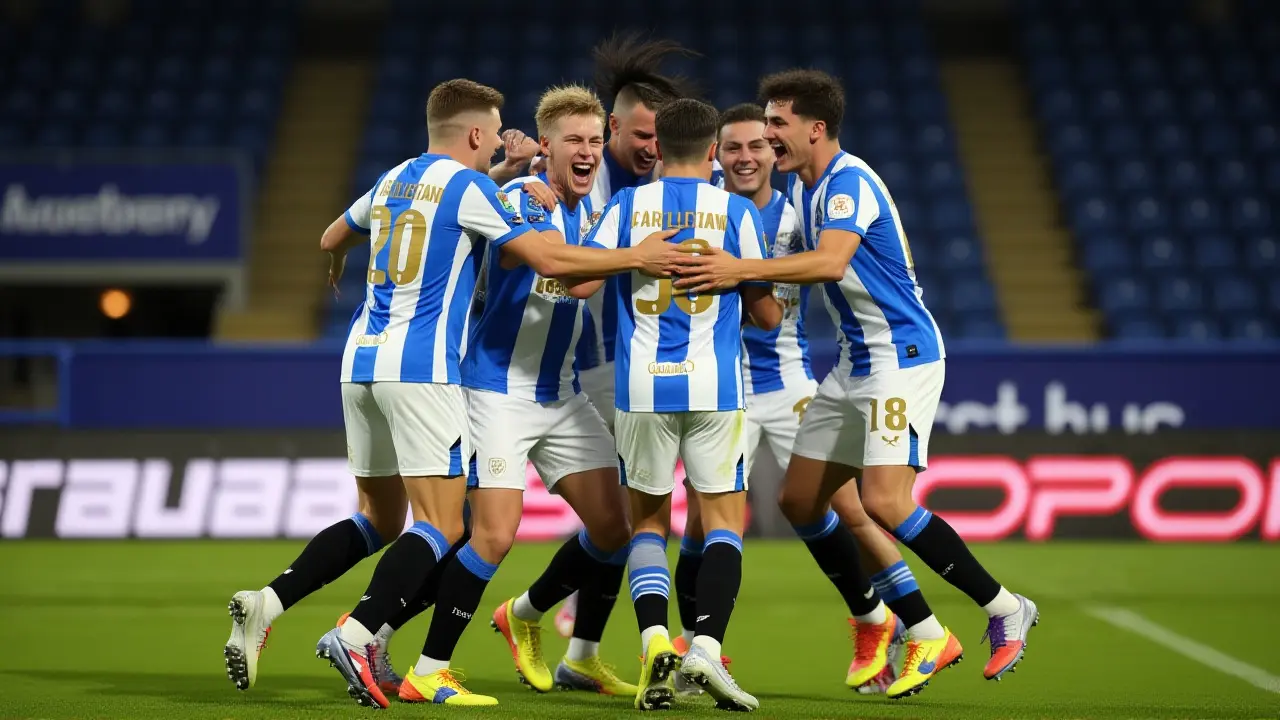
When Arsenal learned they’d face Crystal Palace in the Carabao Cup quarter-finals on December 23, 2025Emirates Stadium, manager Mikel Arteta didn’t sigh—he sent a formal letter. The Gunners, already juggling a packed Premier League slate, were scheduled to play Everton just three days later. Two games in three days? Not happening. "We’re not asking for special treatment," Arteta told reporters on December 16, 2025. "We’re asking for basic responsibility. Players aren’t robots." The broader picture is worse. The entire Carabao Cup quarter-final draw, confirmed on December 16, 2025, has turned into a scheduling nightmare. Manchester City host Brentford at Etihad Stadium on December 17 at 7:30 PM GMT. Newcastle United welcome Fulham at 8:15 PM GMT on the same night. And Cardiff City take on Chelsea at Cardiff City Stadium that same evening. That’s three top-flight clashes in one night. Then, six days later, Arsenal and Palace meet. And it’s not just the dates—it’s the gaps. The twist? Crystal Palace didn’t just get lucky. They crushed Liverpool 3-0 on December 10, 2025, with Ismaila Sarr opening the scoring with a composed finish. Their manager, Oliver Glasner, didn’t celebrate quietly. "This scheduling," he told Sky Sports on December 16, "is irresponsible. We’re not complaining about losing. We’re complaining about being treated like an afterthought." Meanwhile, Chelsea’s Enzo Maresca was fuming over a different issue. His striker, Liam Delap, received two yellow cards in seven minutes during their win over Wolverhampton Wanderers. "It was stupid," Maresca said. "Embarrassing. Selfish. The ref got it right—but he didn’t need to do that." And then there’s Manchester City. Pep Guardiola is openly chasing four trophies this season. "If we stay fit," he said on December 16, "why not?" But even he knows the calendar is brutal. City played 11 matches in November alone. Now, they’re expected to deliver in the cup, league, and Champions League—all while rotating a squad that’s already stretched thin. The fallout? Players are tired. Coaches are angry. Fans are confused. And the Premier League? Still silent. Arsenal’s request to move their Everton game isn’t just about one match. It’s about a pattern. Last season, Tottenham had to play three games in seven days after a cup run. This year, it’s worse. Five clubs have matches within 72 hours of each other. The average recovery time between top-flight games this month? Just 47 hours. The Carabao Cup, officially the English Football League Cup, was once seen as a minor tournament—a chance for fringe players to shine. But with the winner earning a Europa League spot and the final set for Wembley Stadium in February 2026, it’s no longer a sideshow. And the lack of coordination between the EFL, Premier League, and broadcasters like Sky Sports is exposing a broken system. Arsenal’s request might be denied. But the pressure is mounting. If a team like Palace—ranked 12th in the Premier League—is forced to play twice in three days while chasing a trophy, what does that say about player welfare? And if the league won’t act now, will injuries start piling up in January?
Who’s Affected Most?
It’s not just Arsenal. Crystal Palace’s squad has already played 15 games in 52 days. Newcastle, as holders, are expected to defend their crown while also battling in the Premier League. Chelsea’s midfield, depleted by injuries and suspensions, now faces a Christmas calendar that includes a trip to Manchester United just 48 hours after their cup match. Even Manchester City’s depth is being tested. Guardiola’s rotation policy has worked for years—but this? This is unsustainable.What’s the Bigger Problem?
The real issue isn’t the dates—it’s the lack of planning. The Premier League releases its calendar months in advance. The FA Cup and Carabao Cup fixtures are announced weeks after. There’s no central body coordinating the entire football calendar. Broadcasters like Sky Sports push for prime-time slots, and clubs are left to scramble. The result? Players are being asked to perform at peak levels with less recovery than professional cyclists between Tour de France stages.What’s Next?
Arsenal’s formal request will be reviewed by the Premier League’s fixture committee by December 19. If denied, Arteta has hinted at a public campaign. "We’ll make our case," he said. "And if we lose, we’ll make sure everyone knows why." Meanwhile, Palace’s Glasner has called for a meeting with league officials. "We’re not asking for extra rest," he said. "We’re asking for respect." And if the league ignores them? Expect more players to miss games through injury—or worse, to speak out. The quiet acceptance of fixture congestion is over.Background: The Rise of the Carabao Cup
Once dismissed as a trophy for reserve teams, the Carabao Cup has gained weight since 2012, when the winner began qualifying for European competition. In 2023, Liverpool won it—and went on to win the Champions League. Now, every top club treats it seriously. But with the 2025-26 season already crowded by the Club World Cup and expanded Champions League format, the EFL’s schedule is a house of cards. The final is set for February 2026 at Wembley Stadium. But if the quarter-finals are this chaotic, will the final even matter? Or will it just be another casualty of poor planning?Frequently Asked Questions
Why is Arsenal asking to move their Everton game?
Arsenal face Crystal Palace in the Carabao Cup on December 23, 2025, and were originally scheduled to play Everton on December 26. That’s two matches in three days—a high-risk schedule for player fatigue and injury. Arteta argues the Premier League must prioritize player welfare, especially with a congested winter calendar. Moving the Everton fixture would give the squad at least 72 hours’ recovery.
How does this affect Crystal Palace’s chances?
Crystal Palace, currently 12th in the Premier League, have already played 15 games in 52 days. Their midweek cup run has added pressure, and manager Oliver Glasner fears their squad depth won’t hold up. A win over Arsenal could boost morale, but if key players like Ismaila Sarr or Jean-Philippe Mateta are overused, their league survival could be jeopardized.
What’s the impact on player injuries?
Data from the Premier League’s 2023-24 season shows a 27% spike in muscle injuries during December and January, the busiest period of the calendar. Clubs with multiple cup commitments—like Arsenal, Chelsea, and Manchester City—saw injury rates 40% higher than those focused solely on the league. Without schedule adjustments, that trend could worsen in 2025-26.
Why didn’t the league plan better?
The Premier League releases its fixture list months in advance, but cup draws happen later, often after TV broadcasters have secured prime slots. Sky Sports, for example, prioritizes Wednesday and Tuesday nights for high-profile matches. This leaves little room for flexibility. There’s no single governing body coordinating all competitions, leading to clashes that could’ve been avoided.


Cheri Gray
December 17, 2025 AT 17:19also, why is the cup even a thing if no one has time to play? just give the trophy to the team with the most points. problem solved.
Andrea Hierman
December 18, 2025 AT 10:07Danny Johnson
December 19, 2025 AT 16:43Christine Dick
December 21, 2025 AT 11:49Jullien Marie Plantinos
December 21, 2025 AT 13:16Jason Davis
December 23, 2025 AT 04:28Crystal Zárifa
December 24, 2025 AT 00:46Serena May
December 25, 2025 AT 10:37Cheryl Jonah
December 25, 2025 AT 11:58James Otundo
December 27, 2025 AT 11:02Sarah Day
December 29, 2025 AT 09:08ryan pereyra
December 30, 2025 AT 21:06Jane Roams Free
December 31, 2025 AT 00:58Anthony Watkins
December 31, 2025 AT 21:40Bryan Kam
December 31, 2025 AT 23:47Boobalan Govindaraj
January 2, 2026 AT 04:46mohit saxena
January 3, 2026 AT 02:46Sandeep YADUVANSHI
January 3, 2026 AT 22:58